
Primitive Reflex Integration Therapy - London
What is Moro Reflex?
How we help a retained Moro Reflex
Moro Reflex
The Moro reflex is a protective and involuntary reaction to a threat, it acts as a survival mechanism in the first months of life.
The Moro Reflex is present from birth to 4 months of age (it emerges in utero at the 9th week). Integration starts in the 3rd month, where it becomes absorbed as part of whole-body movements by the baby. In a newborn, the More Reflex is triggered by the infant’s head position; tilting backwards or by lower and raising the baby quickly and by more than 30cm. The arms extend out, and the baby inhales. Next, the baby draws limbs into the body, exhales, and may start to cry.
What is a Retained Moro Reflex
A child with a retained Moro Reflex automatically overreacts to many different things, from bright lights, loud noises and or sudden movement. The infant has no time to think; it just reacts to the negative stimulus. Thus the higher thinking centres routinely need to get an opportunity to participate.
Retained Moro Reflex Symptoms
motion sickness
physical timidity
easily distracted
Sensitive to sounds (may perceive as too loud), light (may feel uncomfortable in direct or bright light) and or being touched
Over reactive
Emotional immaturity
Lack of trust
overworked adrenal glands (high levels of cortisol)
dependency and fear of taking risks
Poor balance and coordination
Difficulty making friends
Poor posture/weak spinal reflexes
ADD
ADHD
Autism Spectrum
Anger or Emotional Outbursts
Neurodivergent children will often have a Retained Moro Reflex
How long does it take to integrate a Retained Moro Reflex?
A Retained Moro Reflex is often disguised as part of most neurodivergent diagnoses (ADHD, PDA, ASD and Trauma) and outwardly shows itself as low or high-level anxiety. Older children who have a Retained Moro Reflex will show to be controlling. It is a very difficult Reflex to Integrate, taking months. When a child has a Retained Moro Reflex, it will affect many aspects of development: physically, mentally and emotionally and we often discuss the child’s history beforehand.
What Method is Used for Integrating Retained Primitive Reflexes/ How do the sessions work?
We use MNRI (Masgutova, Neuro-Sensory-Motor, Reflex Integration as part of our One-to-One Therapy Intervention. Your child will have a Reflex Assessment as part of their on going work to address academic or developmental challenges. This challenges can be part of a diagnosed condition or the symptoms may exist on their own. Once the assessment completed we provide you with a summary document that lists your child’s reflexes and the state of maturity of each one. The reflexes are addressed as part of the on going therapy at home and during the weekly sessions. This holistic approach covers all bases in terms of addressing the underlying cause of developmental gaps as a result of both Primitive Reflexes that are not integrated and the repercussions in an academic setting to address behavioral patterns. Address Primitive Reflexes is seen as one part of the service being offered to help children achieve their optimum in all areas of development emotionally, physically and academically.
For parents who live further away or just want to have their child’s Reflexes Assessed we offer an abridged solution. First, your child has a 50-minute Reflex Assessment. You then book a block of sessions to learn what you must do to help integrate all the reflexes presented in the assessment. You will see results in a matter of weeks. Seeing progress in your child does not mean the reflex is fully integrated, but it shows your child’s reflex development is progressing, allowing for high-level skills.
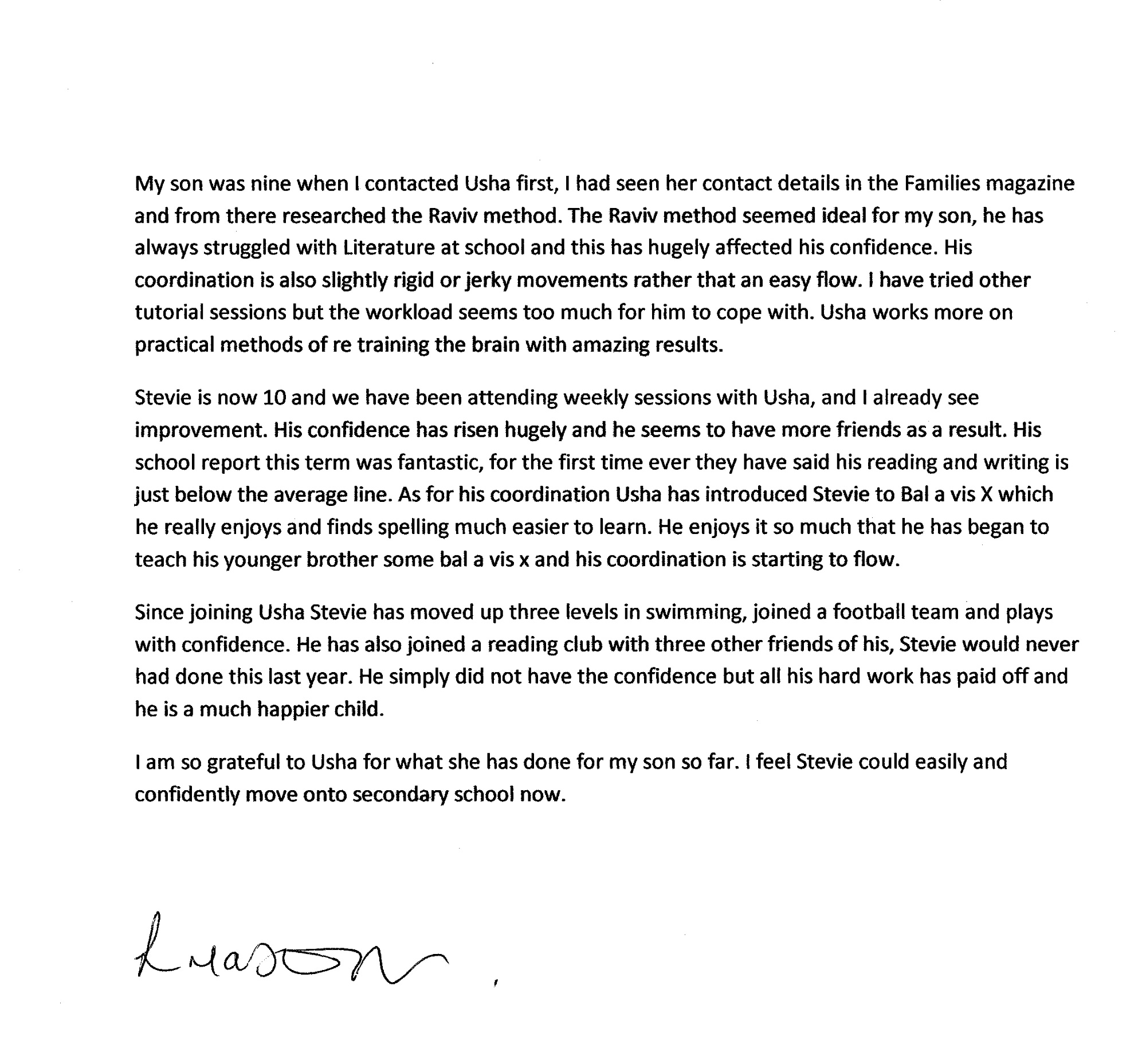
What are the results?


What should I do next?
If you are interested in the One-to-One Therapy Intervention for a holistic approach start by completing THIS questionnaire.
OR
For a stand alone Retained Reflex Integration Assessment use the link below to book an appointment.